Orthopaedics · Condition

Osteoarthritis
in dogs & cats

Is your companion simply getting older… or are they living with osteoarthritis? Identifying joint pain, relieving it and protecting your pet's mobility for the long term.

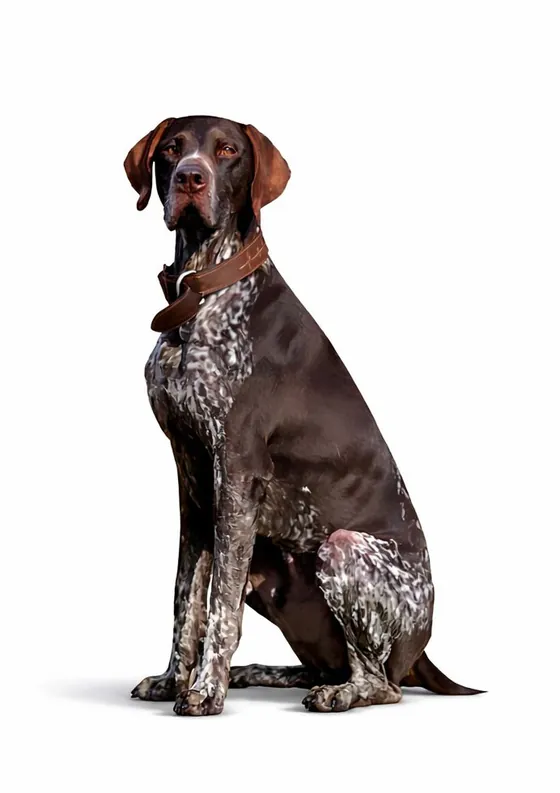
Chien Colvet

Is my pet just getting older… or do they have osteoarthritis?

Is your dog finding it harder to get up than before? Do they hesitate to climb the stairs, jump less readily into the car or seem less enthusiastic on walks?

Is your cat sleeping more, climbing up to their favourite spots less often or seeming less active than they used to be?

These changes are often put down to normal ageing. Yet in many cases they are the signs of chronic pain linked to osteoarthritis.

Osteoarthritis is one of the most common diseases in older dogs and cats, but it can also affect much younger animals when it develops as a result of dysplasia, a cruciate ligament rupture, a patellar luxation, an injury or another joint condition.

What is osteoarthritis?

Osteoarthritis is a chronic, progressive disease of the joints.

In a healthy joint, cartilage covers the bone surfaces and allows smooth, pain-free movement.

When osteoarthritis sets in, this cartilage gradually breaks down. The joint then becomes the site of chronic inflammation, which leads to pain, stiffness and reduced mobility.

Over time, the body tries to stabilise the joint by producing extra bone around it. These bony changes are visible on radiographs and are the classic signs of osteoarthritis.

What are the symptoms?

The signs of osteoarthritis are sometimes very subtle at first. Owners frequently notice:

  • difficulty getting up after resting;
  • morning stiffness;
  • reduced activity;
  • reluctance to run or play;
  • difficulty climbing the stairs;
  • shorter walks;
  • intermittent lameness;
  • progressive muscle wasting;
  • changes in behaviour;
  • unusual irritability when being handled.

In cats, the signs are often even more subtle:

  • jumping less;
  • less effective grooming;
  • withdrawing from contact;
  • reduced activity;
  • difficulty reaching high places.

Can osteoarthritis be cured?

This is probably the question we are asked most often. Sadly, the answer is no.

No medication, no food supplement, no injection and no surgery can today make osteoarthritis disappear or fully regenerate a joint that has become arthritic.

Once a joint is affected, the changes that are present are permanent. It is therefore important to be wary of promises of a "cure" or "cartilage regrowth" that are sometimes put forward online.

So why treat osteoarthritis?

Because even though we cannot remove the osteoarthritis, we can very often considerably improve the quality of life of the animals that suffer from it.

Our aim is twofold:

  • to reduce pain;
  • to slow the progression of the disease as much as possible.

An arthritic animal that is well managed can often regain a satisfying level of activity and keep an excellent quality of life for many years.

Care tailored to each patient

There is no one-size-fits-all treatment for osteoarthritis. Every animal has a different level of pain, a particular lifestyle and its own affected joints.

At Colvet, we draw up a personalised care plan that may combine several approaches:

Weight control

Excess weight is one of the main factors that worsen osteoarthritis. Every extra kilogram increases the strain placed on painful joints. Weight loss is often one of the most effective measures for improving the comfort of certain patients.

Appropriate physical activity

Contrary to a common belief, complete rest is generally not recommended. Regular, appropriate physical activity helps to maintain muscle mass, preserve joint mobility and improve day-to-day comfort.

Pain medication

Anti-inflammatories and pain treatments often play an important role in management. Their purpose is not to cure osteoarthritis but to allow the animal to regain a more comfortable life.

Complementary therapies

Depending on the situation, joint supplements, physiotherapy or other approaches may be included in the treatment plan. These tools do not replace the main treatments but can help to improve the comfort of certain patients.

When can surgery be helpful?

Surgery does not treat osteoarthritis directly. However, certain procedures can remove or correct the cause that drives its development. This is the case in particular with:

  • cranial cruciate ligament rupture;
  • patellar luxation;
  • hip dysplasia;
  • certain joint fractures.

In these situations, early management can often significantly slow the long-term progression of osteoarthritis. When osteoarthritis is already established, some surgical options may also be considered to improve quality of life in specific cases.

Our philosophy at Colvet

Osteoarthritis is a chronic disease that develops over the years. Our role is not to promise an impossible cure: our role is to identify the causes of the pain, to assess precisely its impact on your companion's quality of life and to put in place a realistic, effective strategy to help them live better.

We take the time to examine each patient, to assess their mobility, to review their radiographs when necessary and to explain the different treatment options clearly.

Because good management of osteoarthritis is not about treating an X-ray, but about supporting an animal and its family over the long term.

Let's assess their pain and mobility

There's no need for a referral from another vet: book an appointment directly for an osteoarthritis assessment or a second opinion.

Appointments & referrals

Pet owners: book online to have a limp, pain or loss of mobility assessed, or to get a second opinion. Vets: email us your request with your details and the patient's.

📅 Book an appointment ✉️ welcome@colvet.lu