Orthopaedics · Traumatology

Fractures & traumatic
dislocations
in dogs & cats

After an accident or a fall, is your pet no longer putting weight on a leg? Management of fractures and dislocations through osteosynthesis (plates, screws, pins, external fixators).

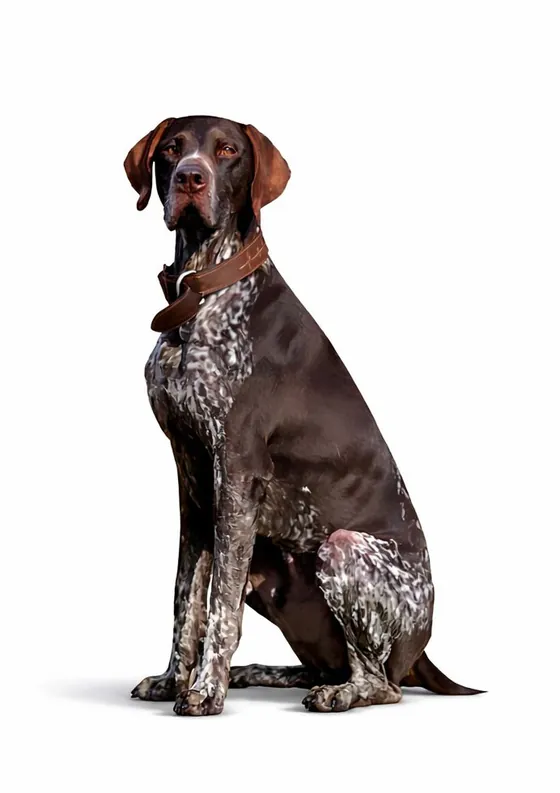
Chien Colvet

Prompt, careful care tailored to every patient

A fracture is always a worrying event for owners. Seeing your companion in pain, no longer able to put a leg to the ground or showing a visible deformity of the limb is often distressing and raises many questions.

At Colvet, our first priority is to relieve your pet's pain, then to understand precisely the nature of the injury so that we can offer the most suitable treatment.

Every fracture is different. The animal's age, weight, activity level, the bone involved, the type of fracture and the condition of the surrounding tissues all directly influence the treatment options and the prognosis. That is why we always favour a personalised approach rather than a standardised solution.

What are the signs of a fracture?

Fractures usually occur after trauma, such as a fall, an accident or a significant impact. Some fractures, however, can appear after relatively minor trauma when the bone has been weakened by an underlying disease.

The most commonly observed signs are:

  • severe lameness or a complete inability to bear weight;
  • significant pain;
  • localised swelling;
  • a visible deformity of the limb;
  • an abnormal position of the leg;
  • a marked drop in activity;
  • vocalising or signs of discomfort.

Some fractures are obvious at first glance. Others can be more subtle and require a thorough examination to be identified.

Care that begins with your pet's comfort

An animal with a fracture is often in considerable pain. At Colvet, we pay particular attention to pain management from the moment your pet arrives at the practice. Our aim is to reduce its discomfort as quickly as possible while carrying out the necessary examinations in the best possible conditions.

We also take the time to adapt how we handle your pet in order to avoid any unnecessary stress or pain. Depending on the location of the fracture and the patient's temperament, sedation or anaesthesia may be recommended so that the examinations can be carried out safely.

The importance of X-rays

X-rays are essential to understand the fracture precisely. They allow us to assess:

  • the bone involved;
  • the exact location of the fracture;
  • the number of bone fragments;
  • the degree of displacement;
  • any involvement of the joints;
  • the possible stabilisation options.

These radiographs also form the basis of our surgical planning when surgery is needed. At Colvet, we take the time to go through each X-ray with you so that you understand exactly the nature of the injury and the reasons behind our proposed treatment.

Why operate on a fracture?

When a bone is broken, it is not simply a matter of waiting for it to heal. To regain normal function, the bone fragments must be realigned correctly and held in a stable position throughout the entire healing period.

Without suitable stabilisation, a fracture can heal in a poor position, lead to chronic pain or cause a permanent loss of function.

The aim of treatment is therefore to allow the bone to heal in the best possible conditions while encouraging a swift and comfortable recovery.

Techniques tailored to each fracture

There is no single way to repair a fracture. Depending on the type of fracture and your pet's characteristics, different techniques can be used:

  • orthopaedic plates and screws;
  • pins;
  • cerclage wires;
  • external fixators;
  • combinations of several techniques.

The choice of implant depends on many technical and biomechanical factors. Our aim is always to achieve a solid, reliable and durable stabilisation that allows the best possible recovery.

Understanding before deciding

We know that orthopaedic surgery can be a source of worry. That is why we take the time to explain in detail your pet's situation, the results of the examinations, the different treatment options and the outcomes we can reasonably expect.

At Colvet, we firmly believe that a medical decision is easier to make when owners clearly understand the condition and the goals of treatment. We favour simple, transparent explanations tailored to each situation.

Attentive follow-up after surgery

Surgery is only one stage of the treatment. The quality of recovery also depends on post-operative follow-up, pain control and adherence to the convalescence instructions.

We support every family throughout this period to make sure that healing is progressing well and that your companion gradually regains its comfort and mobility.

Our aim is always the same: to help your pet return to an active life in the best possible conditions, while supporting you with availability and kindness at every stage of its recovery.

An emergency or a limp after an accident?

Book an appointment for an examination and suitable care. For any emergency, contact us directly by phone.

Appointments & referrals

Pet owners: book online to have a limp examined or to get a second opinion. Vets: email us your request with your details and the patient's.

📅 Book an appointment ✉️ welcome@colvet.lu