Health guide

My dog is limping:
what should I do?

Limping is one of the most common reasons for a consultation in dogs. Some cases are minor, others point to a condition that needs prompt attention. Here's how to make sense of it.

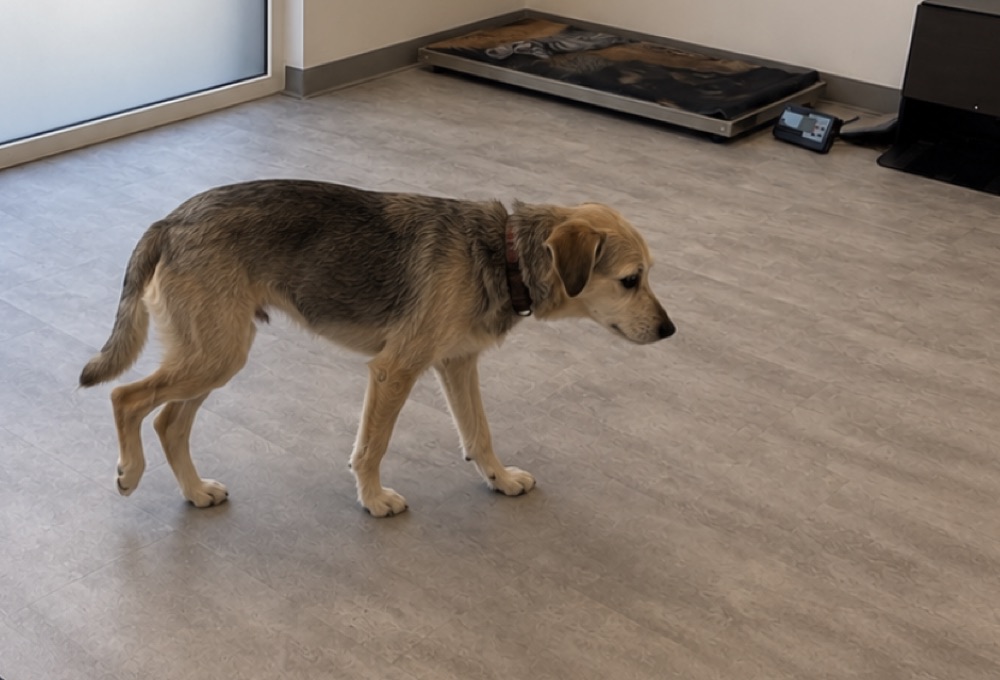
Dog walking with a limp, seen at the Colvet clinic

Is your dog limping? Here's how to make sense of it

Limping can appear suddenly after a walk or a game, or set in gradually over several weeks. While some cases are minor, others reflect an orthopaedic or neurological condition that needs prompt care.

At Colvet, we pay particular attention to identifying the cause of the limp so we can offer each animal the most appropriate treatment.

How do you recognise a limp?

A limp doesn't necessarily mean the dog has stopped putting its paw on the ground. The signs can be very subtle:

  • a shorter stride;
  • a dog that hesitates to run;
  • difficulty climbing stairs;
  • stiffness when getting up after a rest;
  • less interest in playing;
  • a paw turned outward;
  • abnormal nail wear;
  • a limp that only appears after exercise.

Dogs often compensate for pain very well. Some keep running and playing despite a significant condition.
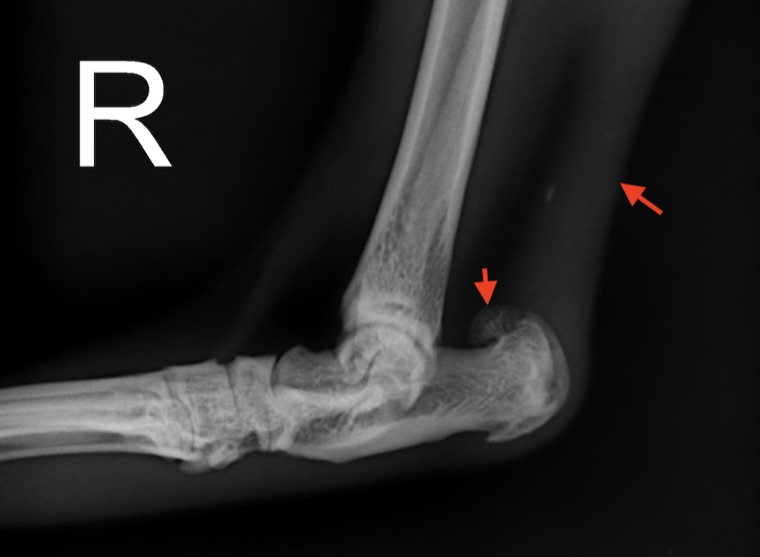
Neurological & other causes

A problem affecting the spinal cord or the nerves can also cause an abnormal gait. The dog may then drag its toes, cross its legs or partly lose the sense of where its paw is.

Some general illnesses, certain infections or bone tumours can also be responsible for a limp. This is why it is rarely possible to make a reliable diagnosis simply by watching the dog walk.

Are anti-inflammatories enough?

Anti-inflammatories are very effective at reducing pain and inflammation. However, they do not correct joint instability, a torn ligament or a fracture.

It is common to see a dog walk normally during treatment, then start limping again a few days after it stops. This doesn't mean the medication didn't work — simply that the cause of the pain is still there.

How does the examination work at Colvet?

Every consultation starts with a conversation with the owners, to understand exactly how the limp appeared and how it has changed.

We then watch the dog moving before carrying out a full orthopaedic examination. Each joint is handled gently to identify the painful area and assess the stability of the limbs.

Depending on the case, X-rays can be taken straight away. When certain manipulations are likely to be uncomfortable, light sedation may be offered to obtain a more accurate diagnosis while keeping your companion comfortable.

Once the diagnosis is established, we take the time to explain the different treatment options, their benefits, their limits and the expected outcome.

Can you wait before seeing a vet?

A mild limp after intense exercise can sometimes resolve on its own within 24 hours with rest.

On the other hand, a limp that persists, keeps coming back or gets worse always deserves a thorough examination. Early care often helps avoid chronic pain, limits the onset of osteoarthritis and improves the chances of recovery.

In short

A limp is never a diagnosis but a symptom of a problem that needs to be identified. The sooner the cause is diagnosed, the more effective the treatment and the better your dog's chances of regaining an excellent quality of life.

If your companion has a persistent or recurring limp, a full orthopaedic examination will determine its origin and allow the most suitable solution to be put in place.

General information article. It does not replace a consultation: only a veterinary examination can establish a diagnosis and offer the treatment suited to your animal.

Have the limp examined

No referral from another vet is needed: book an appointment directly for an orthopaedic examination or a second opinion.