Orthopaedics · Condition

Hip dysplasia
in dogs

A swaying gait, trouble getting up or climbing the stairs? Hip dysplasia is a common joint malformation. Examination, diagnosis and tailored care at the practice.

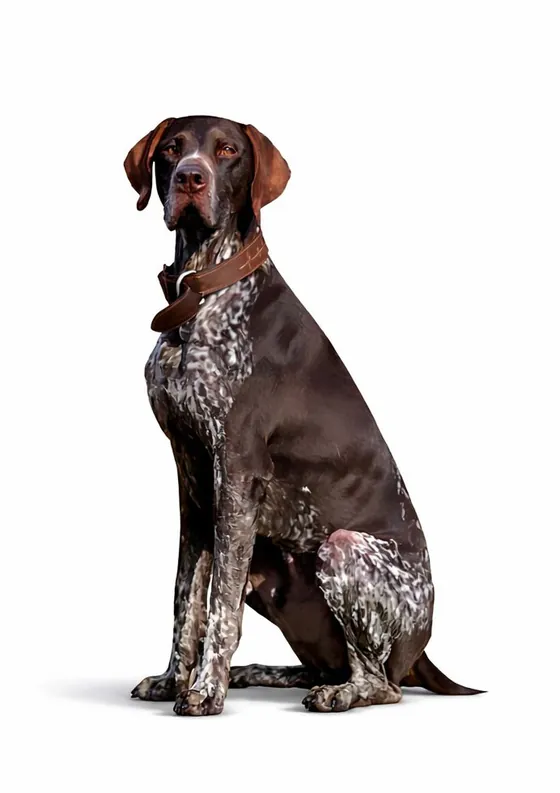
Chien Colvet

Is your dog struggling to get up, running less willingly or seeming to lose mobility?

Does your dog hesitate to jump into the car? Does it get up more slowly than before after resting? Does it tire quickly on walks or sway its hindquarters slightly as it walks?

These signs are sometimes put down to age, lack of fitness or simple muscle aches. Yet they can be the first symptoms of hip dysplasia.

Coxofemoral dysplasia is one of the most common orthopaedic conditions in dogs and a major cause of chronic pain and osteoarthritis.

What is hip dysplasia?

The hip is a "ball and socket" joint. The femoral head normally fits into the pelvis, within a cavity called the acetabulum. When this joint is properly developed, movement is smooth, stable and painless.

In dogs affected by dysplasia, the hip develops abnormally during growth. The femoral head and the pelvis do not fit together perfectly, which leads to a greater or lesser degree of instability in the joint.

This instability gradually causes wear of the cartilage, chronic inflammation and the development of osteoarthritis.

What are the symptoms?

The signs of dysplasia vary greatly depending on the dog's age and the severity of the damage.

In young dogs, owners often notice:

  • an abnormal gait in the hindquarters;
  • tiring quickly on walks;
  • difficulty running or jumping;
  • a reluctance to climb the stairs;
  • a drop in athletic performance;
  • bouts of lameness after exercise.

In adult or older dogs, the signs observed are more often linked to osteoarthritis:

  • difficulty getting up;
  • stiffness after rest;
  • reduced activity;
  • loss of muscle mass in the hind limbs;
  • pain after exercise;
  • refusal of certain activities previously enjoyed.

The progression is usually gradual, which is why many owners only notice the changes once they have become significant.

Not all cases of dysplasia are alike

A point that is often overlooked is that there is great variability between dogs affected by dysplasia.

Some dogs with very abnormal X-rays can live comfortably for several years with few symptoms. Conversely, other animals with moderate radiographic changes may suffer considerably.

That is why we never treat an X-ray alone. We treat a patient, taking into account their age, their level of pain, their activity and their quality of life.

How do we diagnose dysplasia?

At Colvet, the diagnosis always begins with a thorough orthopaedic examination. We assess:

  • the gait;
  • the range of movement;
  • the presence of pain;
  • the muscle mass;
  • the mobility of the joints;
  • signs of osteoarthritis or instability.

X-rays are then taken to precisely assess the conformation of the hips and any presence of osteoarthritis. Depending on the dog's temperament and the views required, these examinations may be carried out under light sedation in order to obtain quality images while ensuring your companion's comfort.

Does dysplasia always lead to osteoarthritis?

Yes. Dysplasia is a mechanical disease. As long as the joint remains unstable, the abnormal stresses placed on the cartilage encourage its gradual wear.

Osteoarthritis therefore appears sooner or later in the majority of affected dogs.

The aim of treatment is to limit this progression as much as possible, to reduce pain and to preserve mobility over the long term.

What are the treatment options?

Treatment depends mainly on the dog's age, level of pain and the stage of the disease. Management may combine:

  • weight control;
  • adapting physical activity;
  • physiotherapy;
  • joint supplements;
  • pain relief;
  • joint injections in certain cases;
  • surgery where indicated.

Each treatment plan is tailored to the individual.

When should surgery be considered?

Some forms of dysplasia may benefit from surgical correction. In the most advanced cases, when osteoarthritis is significant and pain becomes difficult to control medically, surgical solutions can often significantly improve comfort of life.

The procedures that may be considered include in particular:

  • juvenile pubic symphysiodesis in certain very young dogs;
  • triple pelvic osteotomy in specific situations;
  • femoral head and neck excision;
  • total hip replacement.

The choice always depends on the dog's age, weight, activity and the degree of joint damage. At Colvet, we take the time to discuss the benefits, limitations and goals of each option so that, together, we can determine the most suitable solution.

Care centred on quality of life

Dysplasia is a chronic condition that often requires long-term follow-up. Our goal is not simply to interpret X-rays or make a diagnosis: above all, we aim to improve your companion's day-to-day comfort and to help them keep an active life for as long as possible.

We take the time to explain the condition, how it develops and the various treatment possibilities, so that you can make informed decisions for your pet. Because good care always begins with good understanding.

Have the limp examined

No referral from another vet is needed: book an appointment directly for an orthopaedic examination or a second opinion.

Appointments & referrals

Pet owners: book online to have a limp examined or to get a second opinion. Vets: email us your request with your details and the patient's.

📅 Book an appointment ✉️ welcome@colvet.lu